How Proper Ventilation Stops Toxic Mold Growth in West Pleasant View Homes
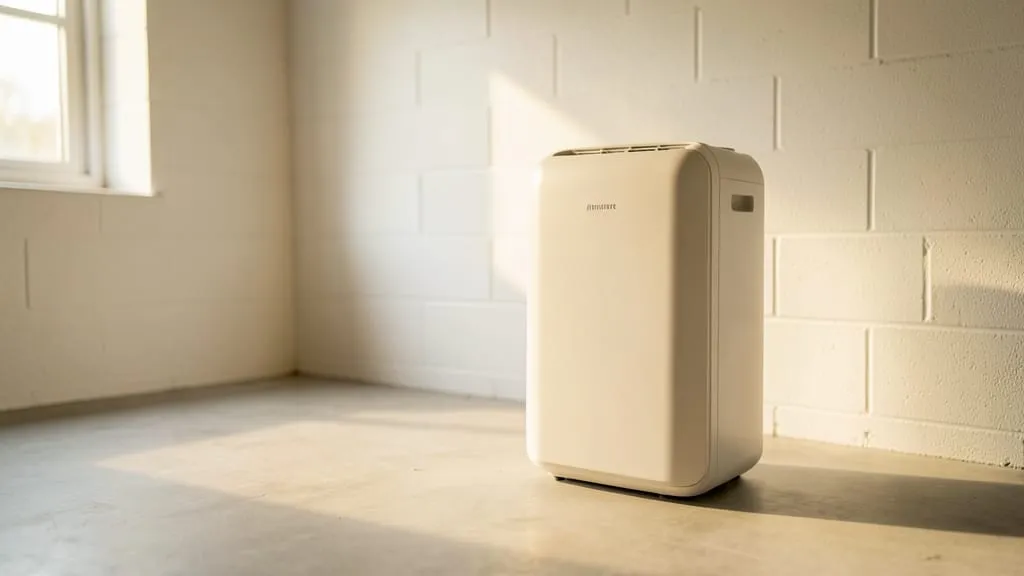
West Pleasant View’s semi-arid climate and seasonal swings create ideal conditions for hidden mold. Poor ventilation traps moisture, feeding colonies in attics, basements, and crawl spaces. The right airflow disrupts this cycle before spores take hold.
Why Ventilation Matters in Mold Prevention
Mold thrives in stagnant, humid air. Without proper ventilation, moisture from daily activities like cooking or showering lingers, settling into porous materials.
In West Pleasant View, temperature drops at night can cause condensation on walls and windows, especially in poorly insulated areas. Ventilation disperses this moisture before it soaks into drywall or framing.
Even minor leaks or high humidity levels (above 60%) can trigger growth within 24–48 hours. Airflow disrupts the conditions mold needs to colonize.
Common Problem Areas in West Pleasant View Homes
Attics often suffer from insufficient soffit or ridge vents, trapping heat and moisture. This is common in older homes near Golden and Lakewood, where roof designs may not prioritize airflow.
Basements and crawl spaces in neighborhoods like Applewood or Edgewater frequently lack vapor barriers or exhaust systems. Ground moisture seeps in, creating a damp environment perfect for mold.
Bathrooms without exhaust fans or with clogged ducts allow humidity to spread into adjacent walls. Kitchens with range hoods venting into attics instead of outside can also contribute.
| Area | Typical Mold Risk | Ventilation Solution |
|---|---|---|
| Attic | High (condensation, poor airflow) | Soffit/ridge vents, attic fans |
| Basement | Very High (ground moisture) | Dehumidifiers, sump pumps, exhaust fans |
| Crawl Space | Very High (stagnant air) | Encapsulation, vapor barriers, vents |
| Bathroom | High (humidity spikes) | Exhaust fans, open windows |
| Kitchen | Moderate (steam, leaks) | Range hood vented outside, dehumidifier |
| HVAC Ducts | Moderate (condensation buildup) | Regular duct cleaning, UV lights |
Types of Ventilation Systems for Mold Control
Natural ventilation relies on passive airflow through windows, doors, and vents. Effective in mild weather but insufficient during Colorado’s cold winters or humid summers.
Mechanical ventilation uses fans and ducts to force air exchange. Exhaust fans in bathrooms and kitchens are critical for removing moisture at the source.
Whole-house ventilation systems, like heat recovery ventilators (HRVs), balance airflow while retaining energy efficiency. These are ideal for tightly sealed homes in areas like Evergreen or Genesee.
In West Pleasant View’s winters, HRVs pre-warm incoming air using heat from outgoing air. This reduces energy loss while maintaining airflow.
Signs Your Home Needs Better Ventilation
Musty odors, especially in basements or attics, often indicate trapped moisture. Visible mold on walls, ceilings, or around windows is a clear red flag.
Peeling paint or wallpaper, warped wood, or water stains suggest chronic humidity issues. Condensation on windows or metal surfaces is another warning sign.
Allergy-like symptoms—sneezing, itchy eyes, or respiratory issues—can worsen indoors if mold spores are present. These often improve when leaving the house.
Red Flags for Poor Ventilation
- Persistent musty smells in enclosed spaces
- Condensation on windows or pipes
- Peeling paint or bubbling wallpaper
- Visible mold growth on walls or ceilings
- Increased allergy symptoms indoors
- High humidity readings (above 60%) on a hygrometer
West Pleasant View’s Climate and Mold Risks
The region’s dry air can be misleading. While outdoor humidity is low, indoor activities generate moisture that gets trapped without proper airflow.
Snowmelt in spring and summer thunderstorms can introduce water into basements or crawl spaces. Areas near Bear Creek or Clear Creek are particularly vulnerable to flooding.
Rapid temperature changes—common in foothill communities like Morrison or Kittredge—can cause condensation inside walls, promoting hidden mold growth.
Ventilation Upgrades to Consider
Installing bathroom and kitchen exhaust fans rated for the room’s size ensures moisture is vented outside, not into attics or walls.
Adding soffit and ridge vents to attics improves passive airflow. In some cases, solar-powered attic fans can enhance circulation without increasing energy costs.
For basements and crawl spaces, encapsulation with a vapor barrier and a dedicated dehumidifier can prevent ground moisture from seeping in. This is especially useful in older homes in Wheat Ridge or Arvada.
Venting bathroom fans into attics or crawl spaces redirects moisture to other areas, worsening mold risks. Always vent outside.
When to Call a Mold Remediation Professional
If mold covers an area larger than 10 square feet, or if it’s in HVAC ducts, professional remediation is necessary. DIY cleanups can disturb spores, spreading contamination.
Hidden mold behind walls or under flooring requires specialized equipment like moisture meters or thermal imaging to detect and address.
After water damage from leaks or flooding, a mold inspection can identify early signs of growth before it becomes a larger problem. This is common in areas prone to flash floods, like those near Clear Creek.
How to Improve Ventilation to Prevent Mold
Small changes can significantly reduce mold risks in your home.
- 1Install Exhaust Fans
Add bathroom and kitchen exhaust fans vented to the outside. Ensure they’re rated for the room’s cubic footage.
- 2Use Dehumidifiers
Place dehumidifiers in basements, crawl spaces, or other damp areas. Aim to keep humidity below 50%.
- 3Seal and Insulate
Seal gaps around windows, doors, and pipes to prevent moisture intrusion. Insulate cold surfaces to reduce condensation.
- 4Open Windows Strategically
On dry, mild days, open windows to promote cross-ventilation. Use fans to enhance airflow.
- 5Inspect and Clean HVAC Systems
Check HVAC ducts for moisture or mold. Clean or replace filters regularly to prevent spore circulation.
- 6Monitor Humidity Levels
Use a hygrometer to track indoor humidity. Address spikes immediately with ventilation or dehumidification.
Frequently Asked Questions
Can poor ventilation cause mold in West Pleasant View even if it’s dry outside?
Yes. Indoor activities like cooking, showering, or even breathing release moisture. Without proper airflow, this humidity gets trapped, creating ideal conditions for mold growth regardless of outdoor weather.
What’s the best ventilation system for an older home in Lakewood or West Pleasant View?
Older homes often benefit from a combination of mechanical and passive ventilation. Exhaust fans in bathrooms and kitchens, plus attic vents, can improve airflow. For tighter homes, an HRV system may be worth considering.
How do I know if my attic has a ventilation problem?
Signs include excessive heat in summer, ice dams in winter, or visible mold on rafters or sheathing. A lack of soffit or ridge vents, or blocked vents, can also indicate poor airflow.
Is mold in the HVAC system a common issue in this area?
Yes, especially in homes with poorly maintained systems. Condensation in ducts or on coils can foster mold, which then spreads spores throughout the house. Regular inspections and cleaning can prevent this.
Are there specific building codes for ventilation in West Pleasant View?
Colorado follows the International Residential Code (IRC), which includes ventilation requirements for bathrooms, kitchens, and attics. Local amendments may apply, so it’s wise to check with Jefferson County building officials.
Can I prevent mold by just running a dehumidifier?
Dehumidifiers help, but they’re not a standalone solution. They remove moisture but don’t address airflow. Combining them with ventilation—exhaust fans, open windows, or mechanical systems—yields the best results.