How to Prevent Mold in Laundry Rooms for West Pleasant View Homes
Laundry rooms are prime breeding grounds for mold due to constant moisture, poor ventilation, and hidden leaks. In West Pleasant View’s semi-arid climate with seasonal humidity swings, even small oversights can lead to costly remediation. Proactive steps keep spores from taking hold.
Why Laundry Rooms Are High-Risk for Mold Growth
Washing machines release gallons of water vapor per cycle, saturating the air if not vented properly. Front-loaders are especially prone to seal leaks and detergent residue buildup, which feed mold colonies.
Dryers with clogged or improperly routed vents trap moisture indoors. In basements or crawl spaces common in West Pleasant View, this creates a perfect storm for mold to spread to walls, ceilings, and HVAC ducts.
Leaks from supply lines, drains, or pans under machines often go unnoticed until mold appears. Even slow drips behind appliances can saturate drywall or subflooring over time.
Signs of Mold in Your Laundry Room
Musty odors are the first red flag, often noticeable when opening the door or running a load. These smells persist even after cleaning if mold is present.
Visible black, green, or white spots on walls, ceilings, or behind appliances indicate active growth. Pay attention to grout lines, under sinks, and around pipe connections.
Peeling paint, warped baseboards, or stained drywall suggest prolonged moisture exposure. In severe cases, mold may appear fuzzy or slimy to the touch.
If mold covers more than 10 square feet, professional remediation is recommended. Disturbing large colonies without containment can spread spores to other areas like attics or HVAC systems.
Ventilation: The First Line of Defense
An exhaust fan rated for high-moisture areas should run during and at least 30 minutes after each laundry cycle. Look for fans with a minimum of 50 CFM for small rooms, 100+ CFM for larger spaces.
Ductwork must vent directly outside, not into attics, crawl spaces, or garages. In West Pleasant View, improper venting can lead to condensation issues in colder months, especially in homes near Golden or Applewood.
Clean fan blades and vents annually to remove dust and lint buildup, which reduces airflow efficiency. Consider upgrading to a humidity-sensing fan for automatic operation.
Moisture Control Strategies for Laundry Areas
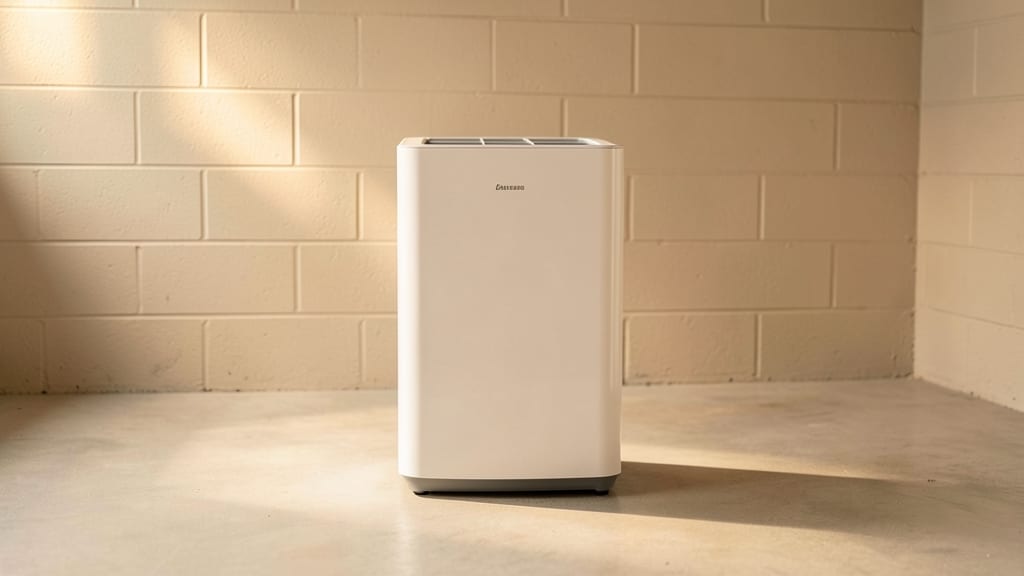
A dehumidifier set to maintain 30-50% relative humidity can prevent mold growth in enclosed laundry rooms. Empty the tank regularly or install a drain line to avoid standing water.
Wipe down washing machine gaskets, detergent dispensers, and drum interiors after each use. Leave the door ajar to allow airflow and dry residual moisture.
Inspect hoses and connections monthly for leaks or cracks. Replace rubber hoses with braided stainless steel for added durability, especially in older homes common in Lakewood or Wheat Ridge.
Weekly Laundry Room Moisture Checks
- Inspect under the washing machine for water accumulation
- Check dryer vent for lint blockages or kinks
- Wipe down walls and baseboards for condensation
- Test exhaust fan operation and airflow
- Empty dehumidifier tank if applicable
Material Choices to Resist Mold Growth
Use moisture-resistant drywall (green board) or cement backer board for walls in laundry areas. These materials are less prone to mold damage than standard drywall.
Opt for semi-gloss or satin paint with mold inhibitors for walls and ceilings. These finishes are easier to clean and resist moisture absorption.
Choose vinyl, tile, or sealed concrete flooring instead of carpet or laminate, which can trap moisture. In basements, a vapor barrier under flooring adds extra protection.
| Material | Mold Resistance | Best For |
|---|---|---|
| Cement backer board | High | Walls behind appliances |
| Green board (moisture-resistant drywall) | Moderate | General wall surfaces |
| Semi-gloss paint with mold inhibitors | Moderate | Walls and ceilings |
| Vinyl flooring | High | Floors in high-moisture areas |
| Ceramic or porcelain tile | High | Floors and walls |
| Sealed concrete | High | Basement floors |
Addressing Hidden Moisture Sources
Leaks from washing machine supply lines or drain pipes can go undetected for months. Install a leak detection pan with a drain line or a smart water sensor for early alerts.
Condensation on cold water pipes in uninsulated laundry rooms can drip onto floors or walls. Insulate pipes, especially in basements or crawl spaces common in West Pleasant View and nearby Morrison.
Poorly sealed gaps around plumbing penetrations or electrical outlets allow moisture to seep into walls. Use expanding foam or caulk to seal these entry points.
Place a dry paper towel under the washing machine and behind the dryer after a cycle. If it’s damp the next day, investigate for leaks or condensation issues.
When to Call a Professional for Mold Remediation
If mold covers a large area (over 10 square feet) or appears in HVAC ducts, professional remediation is necessary. Crews use containment barriers and HEPA filtration to prevent spore spread during cleanup.
Hidden mold in walls, under flooring, or in crawl spaces requires specialized equipment like thermal imaging or borescopes to locate. In West Pleasant View, homes with finished basements often need invasive inspection.
Recurring mold after cleaning may indicate an unresolved moisture source. A mold inspection or air quality test can identify the root cause, whether it’s a leak, poor ventilation, or high humidity.
Long-Term Mold Prevention for West Pleasant View Homes
Regularly clean and maintain appliances, including descaling washing machines and cleaning dryer vents. This reduces organic matter that mold feeds on.
Monitor humidity levels with a hygrometer, especially during wetter seasons. West Pleasant View’s spring and summer can bring sudden humidity spikes, increasing mold risk.
Schedule annual HVAC maintenance to ensure proper airflow and filtration. Mold in ductwork can spread spores throughout the home, affecting air quality in areas like East Pleasant View or Fairmount.
How to Clean a Moldy Washing Machine Gasket
Mold in washing machine gaskets is common but preventable with regular cleaning.
- 1Gather Supplies
Use white vinegar, baking soda, a soft brush, and microfiber cloths. Avoid bleach, as it can damage rubber seals and doesn’t kill mold at the root.
- 2Run a Cleaning Cycle
Add 2 cups of white vinegar to the detergent dispenser and run a hot water cycle. This helps loosen mold and mildew inside the drum and hoses.
- 3Scrub the Gasket
Dip the brush in a paste of baking soda and water, then scrub the gasket thoroughly. Pay attention to folds and crevices where mold hides.
- 4Wipe and Dry
Wipe the gasket and drum with a damp cloth, then dry completely with a towel. Leave the door and detergent tray open to air out.
- 5Prevent Regrowth
After each use, wipe the gasket and leave the door ajar. Monthly, run a vinegar cycle to inhibit mold and bacteria buildup.
Frequently Asked Questions
Can mold in my laundry room affect other parts of my West Pleasant View home?
Yes. Mold spores can travel through HVAC systems or on clothing, spreading to attics, basements, or living areas. If you suspect widespread contamination, consider air quality testing or a full mold inspection.
How often should I replace my washing machine hoses?
Replace rubber hoses every 3-5 years, even if they appear intact. Braided stainless steel hoses last longer (5-10 years) and are less prone to leaks, which are a common mold trigger in laundry rooms.
Is a dehumidifier necessary for my laundry room in West Pleasant View?
It depends on ventilation and usage. If your laundry room lacks an exhaust fan or you run multiple loads daily, a dehumidifier helps maintain safe humidity levels. Basement laundry rooms especially benefit from one.
What’s the difference between mold testing and mold inspection?
Mold testing involves collecting air or surface samples to identify spore types and concentrations. Mold inspection is a visual and physical assessment of the property to locate growth and moisture sources. Both are useful in West Pleasant View homes with recurring mold issues.
Can I paint over mold to hide it?
No. Painting over mold without addressing the underlying moisture problem will cause the mold to grow back, often worse than before. Always clean and dry the area thoroughly, then use mold-resistant primer before repainting.
Are there specific building codes for laundry room ventilation in Colorado?
Colorado’s residential building codes require laundry rooms to have ventilation that exhausts to the outdoors or uses a recirculating system with moisture removal. Check local amendments in West Pleasant View or nearby areas like Golden for additional requirements.